

What is Raw Data?
Raw data is essentially data in its rawest, most unprocessed form — directly from the source without anyone having tidied it up or attempted to interpret it. It’s the numbers, words, pictures, or sound you gather that have not been sorted, formatted, or analyzed yet. It is just like your bag of groceries prior to cooking. The ingredients are present, but they still need preparation before they can be used.
Where does it raw data comes from?
Practically everywhere. Machines, sensors, surveys, websites — they’re all producing raw data continually.
– A factory sensor monitoring temperature.
– A customer survey completed.
– A hospital monitor taking heart rates.
– A website log indicating where people clicked.
– A laboratory instrument taking readings.
They’re all raw until they’re processed.
Importance of Processing Raw Data
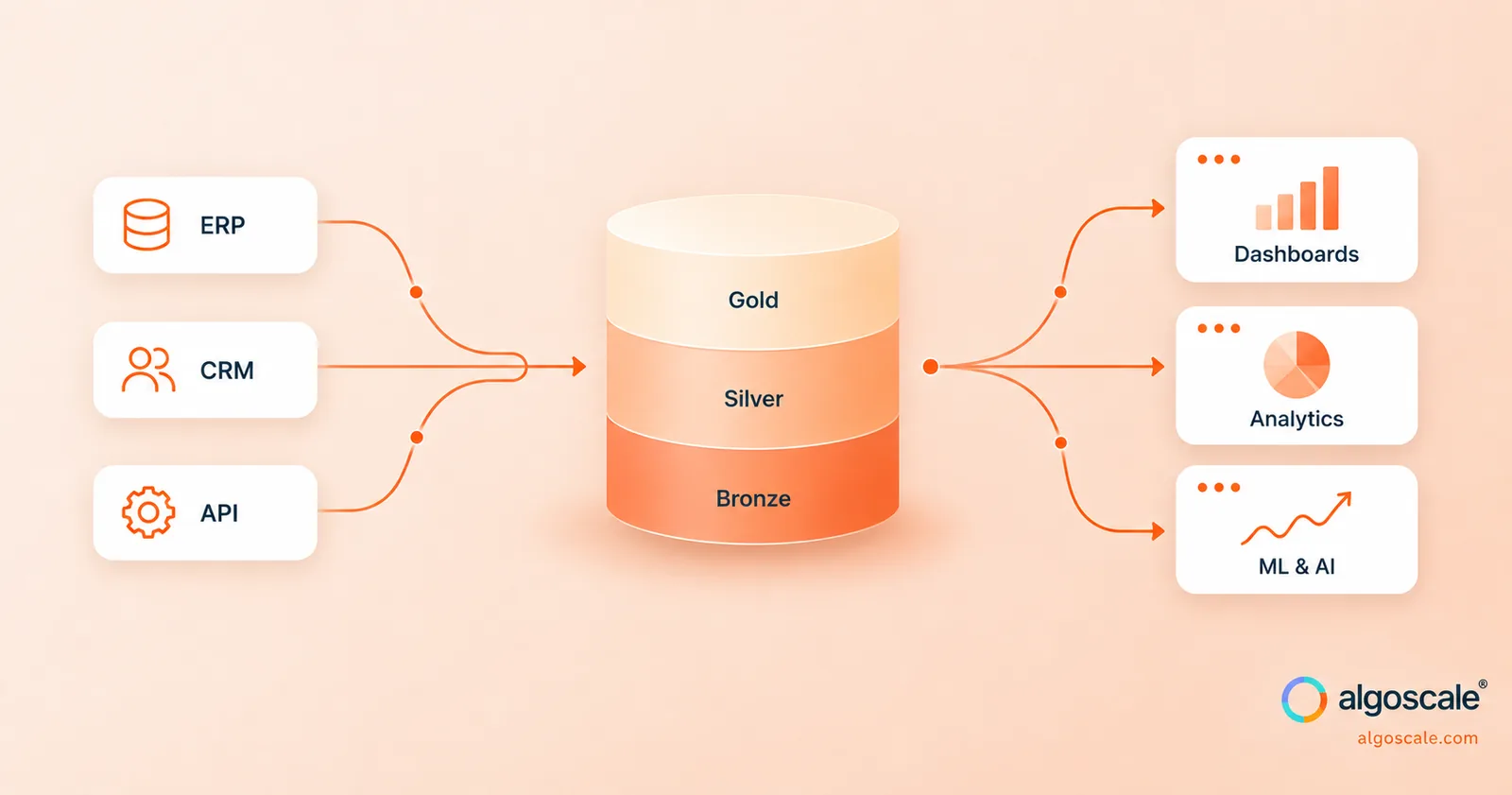
Raw data alone is perhaps unclean, inconsistent, or even plain bewildering. It’s for that reason that it usually goes through operations like cleaning (removing errors), transforming (putting it in a formatted set of data), and mashing it up with other data sources. Once that’s done, it becomes easier to transform into dashboards, reports, or insights which can actually be used by humans.
For example: A cookie file on a website appears to be nonsense if you read it. But if you associate it with a user profile, suddenly you understand the way someone surfs your site, which is gold for advertises.
Why it’s Valuable
Although it seems useless at first, raw data is strong because it’s not slanted and untainted. Aide professionals can always return to it in order to verify outcomes or re-examine it using more enhanced tools. In a way raw data is similar to having the original receipts where you can always track everything back to the beginning.
Examples
– Dailies sales figures prior to being rolled up into a monthly report.
– Clicks prior to their conversion into engagement metrics.
– Free-text answers in surveys.
– Log files on a computer system.
– Social media posts as originally posted.
Where it is stored?
Firms tend to store raw data in the cloud locations such as Amazon S3, Google Cloud, or Azure because they can handle lots of sata and are convenient to use. Others particularly those with more stringent regulations, store it on-prem for maximum control. A hybrid configuration tends to be the best compromise: sensitive materials remain internal, the rest of the data goes to the cloud.