Fragmented Source Systems
Data is spread across ERP, CRM, finance, operational and third-party systems.


Strategy, Implementation and Dashboards Your Teams Can Trust
Turn fragmented business data into trusted reporting, governed metrics and BI systems that help teams make faster, better decisions. Algoscale combines BI consulting, data engineering, analytics enablement and BI implementation to build reporting environments that can support the business beyond a collection of dashboards.











Microsoft Partner
Azure Expert MSP
We work with organizations where security, reliability and operational discipline matter. Algoscale's credentials include ISO 27001, Microsoft Partner, Azure Expert MSP and AWS Partner, Advanced Tier Services, alongside established engineering and delivery practices.
Business intelligence consulting is the process of helping an organization design, build, improve and operate the data and analytics systems used for business reporting and decision-making. It can include BI strategy, data integration, data warehouses or lakehouses, semantic models, dashboards, governance, self-service analytics and ongoing optimization.
Effective BI consulting does not begin with a dashboard. It begins with the decisions the business needs to make, the metrics required to support those decisions, and the data architecture needed to make those metrics trustworthy.
Algoscale works across the data foundation and BI layer, from source integration and transformation through semantic models, KPI reporting, dashboards and adoption. Where the requirement extends into AI or software, the same engineering team can connect BI with those capabilities.
Many organizations already have reporting tools. The harder problem is getting those tools to produce information that people trust and use consistently.
Data is spread across ERP, CRM, finance, operational and third-party systems.
Different teams calculate the same KPI in different ways.
Reports depend on manual spreadsheet work and repeated data preparation.
Legacy BI environments become difficult to maintain as sources and users grow.
Business users have dashboards but still need analysts to answer routine questions.
Security and access rules are added late, making governed self-service difficult.
A dashboard project solves the presentation layer while leaving the underlying data problems untouched.
The result is familiar: more reports, more reconciliation and more debate about whose number is correct. A BI consulting engagement should reduce that friction by connecting business requirements to the underlying data architecture.
Talk to a BI ExpertA BI engagement rarely stops at the reporting layer. These capabilities cover the strategy, the data foundation underneath it, the BI layer itself and the work of keeping it running.
We assess the current reporting environment, data sources, existing BI tools, stakeholder needs and governance requirements before defining the target state. The output is a practical roadmap that prioritizes the highest-value decisions, identifies architecture gaps and establishes a sequence for implementation. This is useful when an organization is modernizing legacy reporting, consolidating BI platforms or building a new analytics environment.
Algoscale designs and implements the data and BI components required to move from fragmented reporting to a governed analytics environment. This can include source integration, ETL or ELT pipelines, data warehouse or lakehouse structures, transformations, data models, semantic layers, dashboards and access controls. Implementation is treated as an engineering problem, with architecture shaped by data volume, refresh requirements, security, source constraints, performance and actual user needs.
Reliable BI depends on reliable inputs. We build batch and real-time ingestion pipelines, integrate enterprise applications and structure data for downstream analytics. Reusable ingestion patterns can support systems such as SAP, Salesforce, NetSuite, Dynamics and ServiceNow where they fit the customer's environment. The engineering layer addresses incremental extraction, transformations, state management, failures and retries.
Where the existing architecture is not suitable for analytics, we design or modernize the underlying data platform. Depending on requirements, this can involve cloud data warehouses, lakehouses, data marts and layered data architectures. The objective is to make data easier to govern, model, query and reuse across reporting and future analytics workloads.
We build dashboards, KPI scorecards, operational reports, executive reporting and custom BI experiences around specific business decisions. The design considers information hierarchy, filtering, drill-down, performance and the difference between monitoring an operation and analyzing a trend. The objective is not to maximize the number of charts, but to give each audience the information it needs at the right level of detail.
Self-service analytics works when business users can explore trusted data without creating a new reporting dependency every time they need an answer. We establish governed datasets, semantic models, reusable metrics and appropriate access controls so users can work independently without creating uncontrolled reporting silos. We can also assess adoption and identify why teams continue to rely on spreadsheets after dashboards are available.
Governance is built into the BI architecture rather than added after dashboards are complete. We address data ownership, metric definitions, cataloging, lineage, quality checks, role-based access and other controls required by the business and its regulatory environment. For sensitive environments, the BI layer can incorporate role-based and column-level security where supported by the selected architecture.
Existing BI environments often need engineering work rather than a complete replacement. We review report performance, data models, refresh processes, query behavior, infrastructure and the technology stack to identify bottlenecks and unnecessary complexity. Ongoing support can cover monitoring, maintenance, cost governance, performance tuning, pipeline reliability, report changes and incremental expansion.
What changes is not the number of reports. It is how quickly a decision can be made and how much of the number behind it is worth arguing about.
Bring the information needed for recurring decisions into a consistent reporting environment instead of waiting for manual analysis and reconciliation.
Create common definitions for important KPIs so finance, operations, sales and leadership work from the same underlying logic.
Move from periodic reporting toward dashboards that help teams monitor performance, identify exceptions and investigate the drivers behind changes.
Automate data movement, transformation and recurring reporting processes where manual preparation is consuming analyst and operational capacity.
Build the data and BI foundation so additional sources, users, reports and analytical workloads can be added without rebuilding the environment each time.
A governed BI environment can provide the data foundation required for predictive analytics, automated insights, natural language experiences and AI-enabled workflows when those use cases make business sense.
Six stages, run so that priority workloads can be validated and moved toward production before the wider program expands.
We start with business objectives, decisions, stakeholders and existing reporting. We identify the systems behind the reports, understand current pain points and document the data, architecture, governance and security requirements.
We define the target data and BI architecture, including ingestion, storage, transformation, modeling, semantic layers, security and governance. Technology choices follow the requirements rather than the other way around.
We build the required pipelines, transformations, data models, semantic structures and dashboards. Integrations are engineered for reliability, while reusable patterns can reduce unnecessary foundation work.
Technical validation is combined with stakeholder validation. Metrics, filters, business rules, security and report behavior are tested against real requirements before priority workloads move into production.
We move agreed workloads into production and support the operating model around them. This can include access management, documentation, self-service enablement and support processes.
Once the environment is being used, we improve performance, reliability and cost, then expand to additional sources, departments, reports and analytical use cases.
Three reporting environments rebuilt: an insurance BI stack, a Salesforce-to-Tableau pipeline and a CPG manufacturer's analytics layer.
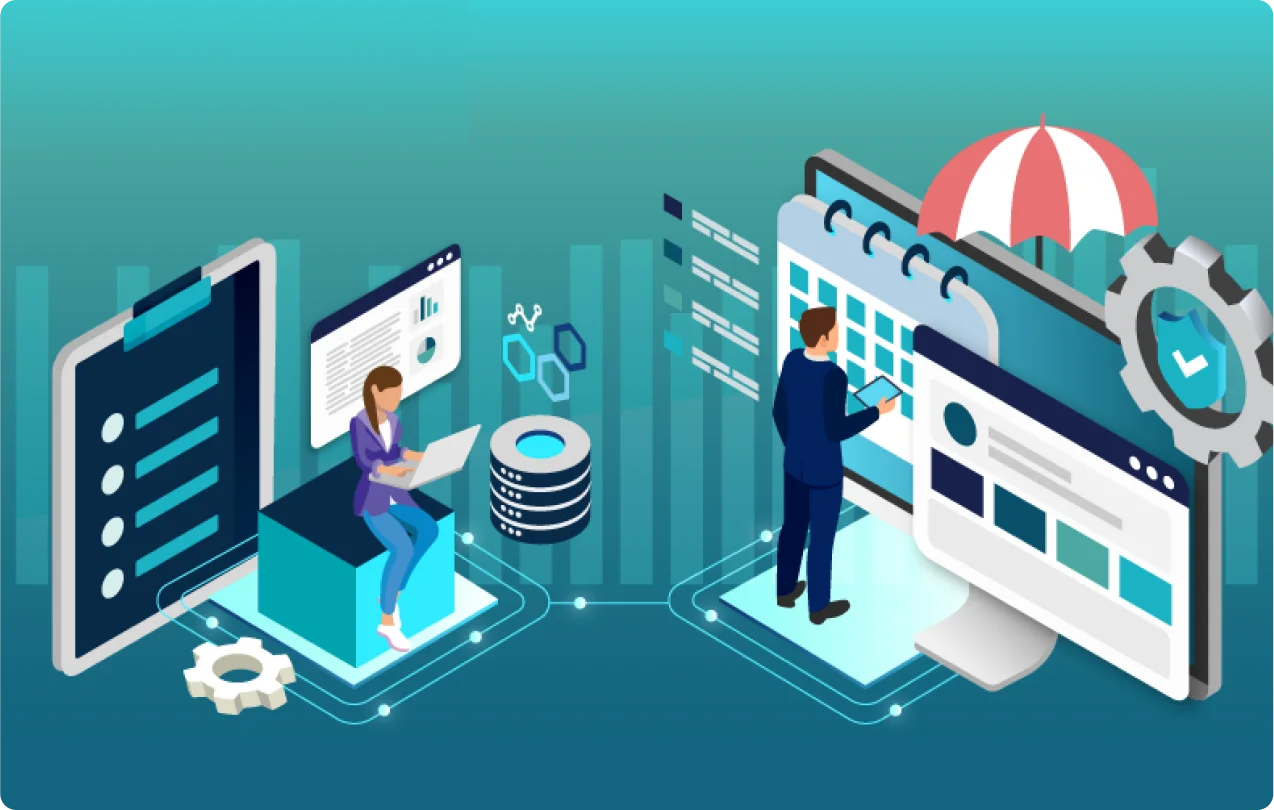
A U.S. insurance provider serving millions of policyholders replaced a reporting stack that could not keep up with policy, claims and regulatory work.
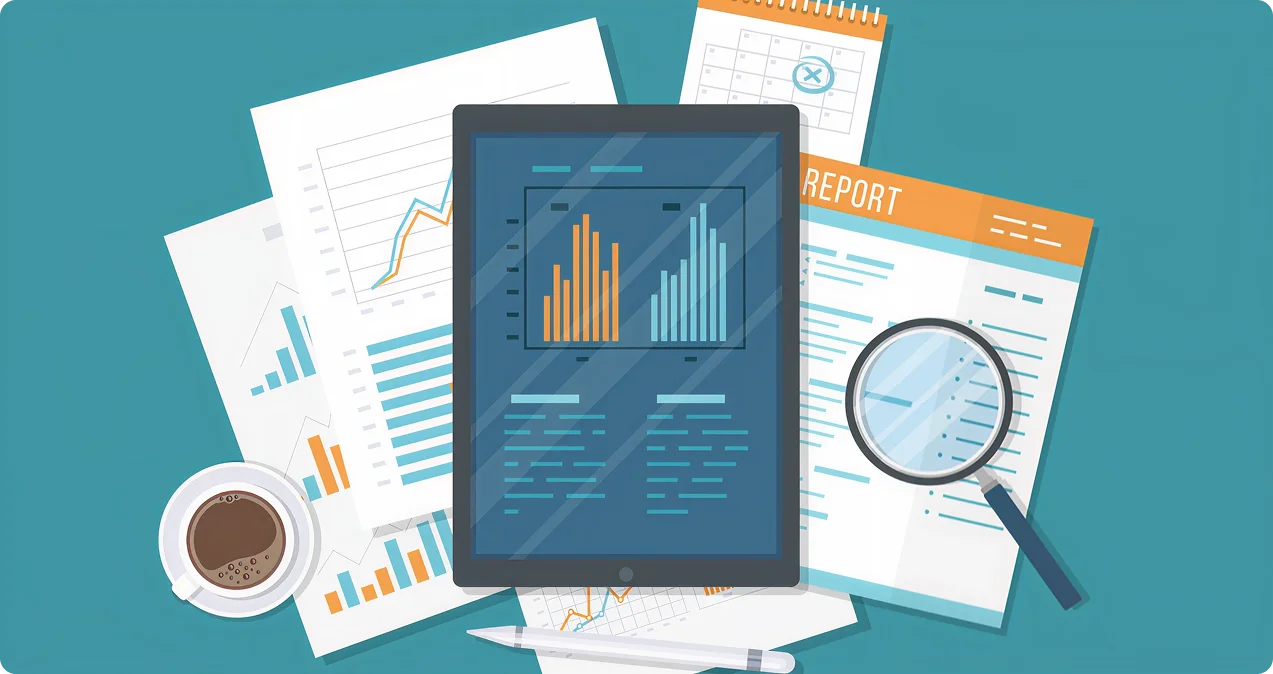
A Toronto employee engagement provider spent 10-14 days preparing each reporting cycle by hand out of Salesforce.

A North American CPG manufacturer depended on legacy SSIS pipelines for production, safety and supply chain reporting, and they kept failing.
Algoscale is technology-neutral within the platforms it supports. The right stack depends on existing systems, cloud strategy, data volumes, governance requirements, user needs and the scope of the BI program.




I’ve been tremendously impressed by their knowledge, skills and professionalism.
Neeraj and Algoscale enabled Perceptronix and my clients have the cutting edge solutions they need to solve the very real problem that they have. We really enjoy working with their development team — our projects are always well defined and managed by project leaders.
We are impressed with their good communication skills.
Algoscale Technologies, Inc. provided a transportation company with BI, big data consulting, and SI services. The team was tasked with improving the client’s traffic movement counts at several intersections.
We are extremely happy with the work that they’ve done.
They are responsive, the quality of the engineers and data scientists are very very good. They are challenged by us and ultimately always deliver. We find that the management team are really attuned to the kind of skills that we need.
…Algoscale is unwilling to settle for anything less than full customer satisfaction.
Algoscale Technologies, Inc. created an engine to capture data and an analytics platform to synthesize the information. They consulted on which technologies to use and provided maintenance.
100% of the deadlines set by Algoscale Technologies, Inc. have been met.
Algoscale Technologies, Inc. provides ongoing analytic, development, and data science support for an analytics firm.
The same BI foundation serves different audiences. These are the six places the work usually lands first.
Give leadership a consistent view of financial, operational and commercial KPIs, with drill-down paths that allow teams to investigate changes rather than relying only on static summaries.
Bring financial and operational data together for reporting on revenue, costs, margins, budgets, forecasts and other management metrics.
Combine customer, transaction, engagement and operational data to understand customer behavior, performance and opportunities for improvement.
Connect procurement, inventory, logistics and operational data to improve visibility into supply chain performance, exceptions and bottlenecks.
Build governed reporting environments where operational and financial data can be brought together with appropriate access controls and compliance requirements.
Replace recurring spreadsheet-based reporting with automated dashboards and governed datasets that provide teams with a more consistent view of operational performance.
Algoscale's BI and data engineering capabilities are relevant across industries where organizations need to integrate fragmented data, establish trusted metrics and build scalable analytics.
Bring clinical, operational and financial reporting together under the access controls and compliance requirements the environment demands.
Build governed reporting on core banking, lending and market data, with metric definitions that hold across risk, finance and operations.
Bring policy, claims, customer and operational data into one reporting layer so underwriting and claims teams work from the same numbers.
Connect sales, product, inventory and customer data so merchandising and operations can see performance without rebuilding the report each week.
Algoscale is a technology engineering partner, not a team that simply advises you on a platform or supplies developers to work alongside your team. We've spent more than a decade building and modernizing data platforms, AI systems and software products for businesses operating across different industries and technology environments.
Our experience spans data, analytics, AI and product engineering, from architecture and implementation through deployment, optimization and ongoing development.
Our experience is grounded in production delivery. Across hundreds of data and AI deployments, we've worked through different data volumes, workloads, cloud environments, integrations and operational requirements.
Years of delivery have been converted into reusable technology and engineering patterns. S.C.A.L.E.™ is Algoscale's enterprise data platform accelerator, covering infrastructure, ingestion, governance, data layering, orchestration and consumption.
Our teams work across AWS, Azure and Google Cloud, alongside technologies including Snowflake, Databricks, Microsoft Fabric, Power BI, dbt, Airflow, enterprise databases and modern application technologies. This allows us to recommend and engineer the right combination of technologies based on the business requirement.
Algoscale brings all capabilities together across three connected areas: Data, Analytics & BI → AI → Product Development.
We work with organizations where security, reliability and operational discipline matter. Algoscale's credentials include ISO 27001, Microsoft Partner, Azure Expert MSP and Snowflake Starting Partner.
BI rarely arrives alone. These are the surrounding capabilities a reporting environment usually touches.
Semantic models, dashboards and governed self-service on the Microsoft BI stack.
Learn moreBuild the pipelines, integrations and data infrastructure that reliable reporting depends on.
Learn moreDesign, build and modernize the warehouse layer underneath the BI environment.
Learn more 5.0 / 5 · 12 reviews
ISO 27001
5.0 / 5 · 12 reviews
ISO 27001
 Clutch Champion 2025
 Clutch Global 2025
 Best Data Analytics Companies 2025
Our customers


Certified partners



Certifications
ISO 27001Clutch Champion 2025Clutch Global 2025Best Data Analytics Companies 2025