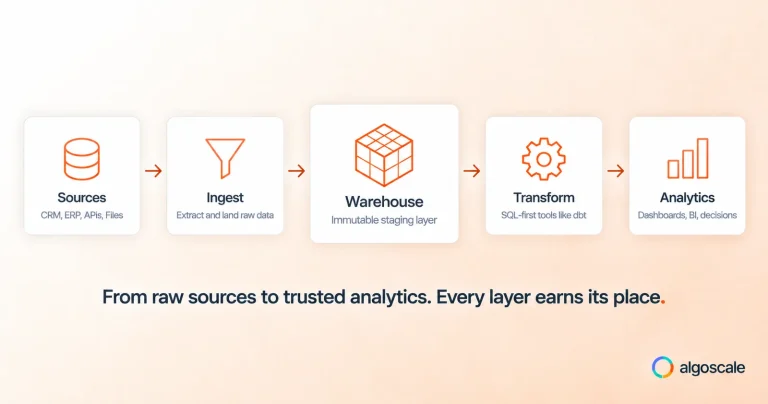


Nowadays, data governance use cases have ceased to be a luxury in the age of data-driven businesses and have established itself as a fundamental pillar towards achieving data quality, compliance, and strategic value. Establishing defined data ownership, access, and lifecycle management is required because organisations keep accumulating and processing extensive information on various platforms and departments.
The blog discusses 15 real-life data governance use cases & examples, offering insights into how data governance consulting services help organizations implement structured governance models. These models not only reduce risk but also enable better decision-making, improve operational efficiency, and ensure regulatory compliance across the enterprise.
15 Data Governance Use Cases You Must Know in May 2026
With the continued increase in the complexity of data ecosystems, targeted governance strategies are important in order to ensure control and consistency. The 15 critical data governance use cases to focus on in May 2026 to improve both the integrity of data and business performance are listed below:
1. Improving Data Quality
Poor quality or inaccurate data may have a serious impact on business and cause incorrect decisions. The data governance frameworks enable organisations to apply their data quality requirements using validation procedures, cleansing systems and regular control processes to ensure data is credible and usable. Quality data is an underpinning element of any strong data governance strategy.
Take an example of a retail company that uses the customer data to conduct individual marketing campaigns. Lack of data governance can make them deal with incomplete or wrong records, and this weakens the campaign. Through data governance practices like data audits and profiling that should be routinely adopted by the organisation, data quality problems can be proactively identified and eliminated by the organisation. This leads to increased targeting, better customer interaction and finally, greater revenue performance.
2. Ensuring Regulatory Compliance
An effective and well-organised data governance strategy is necessary to comply with the following rules, like GDPR, CCPA, and regulatory requirements in a specific industry. Through data governance, organisations will get a chance to develop articulate policies on how sensitive information is recognised, categorised, and fortified in such a way that it can be monitored on a constant basis by privacy and security regulations.
An example of this includes a healthcare provider who is under HIPAA and is to protect patient data against unauthorised access. The governance practices of data classification, role-based access management and audit trails can help the organisation in ensuring that only authorised personnel have access to confidential information. Not only does this assist in avoiding the risk of regulatory fines, but it also establishes a sense of trust in the patients by showing an inclination towards safe and conscientious data management.
3. Enhancing Data Security
In the new digital arena, the issue of data security is a crucial concern for organisations which handle large and sensitive data volumes. Data governance allows companies to implement security measures, including access-control measures, encryption standards and clear security policies to safeguard data against breaches and unauthorised access and against the new types of cyber threats.
As an example, consider a financial services provider with sensitive customer financial information. Through data governance use cases, including encrypting data at rest and in transit, the institution can greatly minimise exposure to security threats. The practices can not only aid in maintaining the trust of customers but also align the facilities with the rules, such as the Payment Card Industry Data Security Standard (PCI DSS).
4. Supporting Decision-Making Processes
Data governance equips organisations with high-quality, consistent, and trustworthy data, enabling confident, insight-driven decision-making. By maintaining data accuracy, availability, and integrity, businesses can rely on data to support strategic and operational choices effectively.
For example, a logistics provider may depend on real-time information to streamline its supply chain processes. By adopting governance measures such as continuous data validation and proactive monitoring, the company ensures its decision-making is based on timely and reliable data.
This results in more agile operations, cost efficiencies, and improved service delivery, ultimately enhancing customer satisfaction and competitive advantage.
5. Promoting Data Literacy
The ability to understand and use data successfully is the fundamental ability to lead to informed and data-driven decision-making: it is called data literacy. Organisations may adopt data analytics consulting programs such as training sessions, stewardship, and awareness campaigns to develop a data-savvy workforce as a subset of more extensive governance strategies.
To illustrate this, a technological company can initiate governance-based projects to enhance data literacy, interdepartmentally. Through providing specific training on data analytics and methodologies, the company will prepare its employees to interpret and use data with the necessary skills. Not only is this instilling a data-driven attitude into daily processes, but also making smarter and more robust business decisions.
Hire a Trusted Data Governance Partner for 2025 and Beyond
Algoscale helps businesses like yours build scalable, AI-enabled data governance strategies tailored to your compliance, security, and operational needs. From metadata management to automated policy enforcement, we ensure your data becomes a trusted business asset.
Get a Free Governance Consultation
6. Streamlining Data Management
Data governance enhances data management efficiency by defining standardised processes, policies, and data handling protocols. These practices facilitate consistent data collection, storage, access, and archiving, minimising redundancy and supporting a unified, single-source-of-truth environment through the strategic use of data lake tools and guidance from data lake consulting services.
For example, a manufacturing enterprise with decentralised data practices across departments may face challenges due to inconsistent formats and isolated systems. By adopting governance measures such as cross-functional data governance councils and clearly defined policies, the organisation can standardise data workflows. This integration eliminates silos, prevents duplication, and fosters better collaboration, ultimately driving operational efficiency and reducing unnecessary costs.
7. Enabling Data Transparency
Data transparency is essential for fostering trust among customers, partners, and stakeholders. Through data governance, organisations can implement transparency-focused practices that communicate how data is collected, processed, and shared, ensuring stakeholders have visibility into data handling procedures by leveraging data warehouse tools effectively.
For instance, an online retail company using customer data for tailored marketing may encounter concerns around privacy. With guidance from data warehouse consulting services, the company can put stronger controls in place by incorporating data governance elements such as clear privacy disclosures and customizable consent options. This approach not only supports responsible data stewardship but also helps build customer confidence, strengthens brand loyalty, and improve long-term satisfaction and retention.
8. Facilitating Data Integration
Data integration is critical to organisations with data that needs to be managed through various platforms and sources. An effective data integration service framework allows consistency, compatibility and smooth interoperability in integration initiatives to enable businesses to merge and make use of data more effectively.
To give an example, a global firm with its subsidiaries in other territories might struggle to match the information gathered by the various systems. Some of the data governance practices, such as data standardisation and data mapping, can enable the organisation to streamline the integration process. This develops an artificial view of operations and enables more intelligent analysis, trend-following and more strategic, data-driven decision-making.
9. Driving Digital Transformation
Effective digital transformation relies heavily on strong data governance foundations. A well-executed governance strategy facilitates the adoption of advanced technologies, fosters innovation, and supports the shift toward data-centric business models, allowing organisations to remain competitive and agile in the digital age.
For instance, a telecom provider embarking on a digital transformation journey may adopt data governance protocols to harness the capabilities of analytics and AI. By building a structured and secure data governance framework, the company ensures proper data collection, storage, and analysis.
This enables the extraction of actionable insights, the creation of cutting-edge services, and sustained leadership in the fast-moving telecommunications landscape.
Read Also: Top Data Visualization Companies
10. Fostering Innovation through Data Governance
Data governance lays the groundwork for innovation by helping organisations unlock the full potential of their data assets. By cultivating a trusted and well-managed data environment, governance enables safe data exploration, fosters experimentation, and facilitates data-driven insights that fuel innovation and long-term competitive advantage.
For example, a research and development firm might implement data governance frameworks to accelerate its innovation pipeline. With clearly defined policies and structured procedures, the organisation ensures that its data remains accessible, accurate, and protected.
This empowers researchers to dive deeper into datasets, leading to novel insights, scientific breakthroughs, and impactful progress within their specialised domains.
11. Data Lineage and Traceability
Data lineage and traceability play a critical role in understanding the flow and transformation of data across an organisation’s systems. As part of a comprehensive data governance strategy, tracking data lineage enables businesses to trace data origins, monitor changes over time, and ensure data integrity throughout its lifecycle, facilitating compliance, audit readiness, and trust in data-driven operations.
For instance, a financial services firm managing regulatory reporting can implement data governance practices that map end-to-end data lineage. The firm can track how client data moves from source systems to final reports, identify transformation logic, and validate data accuracy at each step. This level of traceability not only supports regulatory compliance with standards like Basel III or SOX and enhances internal data accountability and operational transparency.
12. Data Cataloguing and Metadata Management
Data cataloguing and metadata management are essential components of modern data governance frameworks, providing organisations with the tools to organise, discover, and understand their data assets. By maintaining comprehensive metadata descriptions, classifications, data owners, and usage policies—businesses can improve data discoverability, enhance collaboration, and drive efficient data usage across teams.
For example, a large pharmaceutical company may deploy a data governance solution that includes enterprise-wide data cataloguing. With detailed metadata attached to research datasets, clinical trial records, and compliance documentation, scientists and analysts can easily locate and assess relevant data for their projects.
This streamlines data access, prevents duplication, and ensures that teams work with the most current and trusted information, ultimately accelerating research outcomes and maintaining regulatory alignment.
13. Data Standardisation and Integration
Data standardisation and integration are vital for organisations dealing with large volumes of data from diverse sources. As part of a robust data governance strategy, these practices ensure consistency in data formats, terminologies, and structures, enabling seamless integration across systems and enhancing the accuracy of analytics and reporting.
For instance, a global logistics company may collect shipment data from multiple regional systems using different formats and naming conventions. By implementing data governance policies focused on standardisation, such as defining common data models and controlled vocabularies, and integrating these standards across all systems, the company can unify its data landscape.
This enables end-to-end supply chain visibility, improves cross-border coordination, and supports more reliable forecasting and performance monitoring.
14. Master Data Management
Master Data Management (MDM) plays a critical role in data governance by creating a single, authoritative source of truth for core business entities such as customers, products, suppliers, and employees. MDM ensures consistency, accuracy, and control of key data across the enterprise, reducing redundancies and enabling unified data views.
For example, a multinational retail chain may struggle with inconsistent customer data across its e-commerce, in-store, and loyalty systems. By implementing MDM as part of its data governance framework, the organisation can consolidate customer profiles, resolve duplicates, and synchronise records across all touchpoints.
This not only enhances customer service and personalisation but also supports more accurate analytics, reporting, and strategic decision-making at the executive level.
Ready to Implement Powerful Data Governance Solutions?
Unlock the full potential of your enterprise data with Algoscale’s cutting-edge data governance services. Whether you’re starting from scratch or scaling your current framework, our experts design future-ready solutions that ensure compliance, boost data quality, and drive better decisions.
Talk to a Data Governance Expert
15. Change Management
Change Management within the context of data governance ensures that updates to data policies, systems, and workflows are implemented smoothly, with minimal disruption to operations. It establishes formal procedures for assessing, approving, and communicating data-related changes, fostering alignment across departments and maintaining data integrity throughout transformation initiatives.
For example, a financial services firm migrating to a new CRM platform must ensure a seamless transition of customer data without compromising accuracy or compliance.
By integrating change management into its data governance strategy, through stakeholder communication plans, impact assessments, and version control policies, the firm can mitigate risks, ensure data consistency across legacy and new systems, and support user adoption. This disciplined approach helps maintain business continuity while modernising critical data infrastructure.
The Future of Data Governance
The Future of Data Governance lies in its evolution from a compliance-driven function to a strategic enabler of digital transformation services, AI adoption, and data monetisation. As organisations generate increasingly vast and complex datasets, future-ready data governance will be defined by automation, intelligence, and agility.
Emerging technologies like machine learning and natural language processing will streamline data classification, lineage tracking, and anomaly detection, reducing manual intervention and improving scalability.
Furthermore, data mesh and decentralised governance models are set to gain traction, empowering domain-specific teams with greater autonomy while maintaining global data standards. Privacy-enhancing technologies (PETs) and real-time policy enforcement will also become integral, enabling businesses to stay ahead of evolving data regulations.
Ultimately, the future of data governance will be about creating trusted, actionable, and responsibly managed data ecosystems that drive innovation, improve customer experience, and sustain long-term business resilience—while aligning seamlessly with modern digital transformation services.
The Role of AI and Machine Learning in Data Governance
The Role of AI and Machine Learning in Data Governance is rapidly expanding, transforming traditional governance models into dynamic, intelligent frameworks. AI and ML technologies are being leveraged to automate critical governance tasks such as data classification, anomaly detection, metadata tagging, and policy enforcement, significantly reducing manual effort and minimising human error.
These technologies enable real-time insights into data usage, compliance risks, and quality metrics, fostering proactive rather than reactive governance. As data environments grow more complex, AI-driven tools can adapt governance controls in real-time based on context and behaviour, ensuring data remains secure, accurate, and compliant.
Looking forward, the integration of AI and ML into data governance will play a crucial role in enabling scalable, self-sustaining governance systems that support advanced analytics, regulatory agility, and enterprise-wide data democratisation. This intelligent automation will be foundational to future-proofing data governance in an increasingly data-centric world.
Must Read: Top Data Science Companies in the USA
Steps to Overcome Challenges in Data Governance Implementation

Implementing data governance across an organisation can be complex due to varying data environments, legacy systems, and stakeholder alignment. Overcoming these challenges requires strategic planning and a clear execution roadmap.
- Governance Goals with Business Priorities – Without top-level buy-in, data governance initiatives struggle to gain traction. Align governance goals with business priorities to secure sustained leadership support.
- Cross-functional Collaboration – Disconnected systems and teams often lead to fragmented data. Promote cross-functional collaboration and centralized governance policies to break down silos.
- Clearly-defined Roles and Responsibilities – Ambiguity in data ownership leads to accountability gaps. Establish clearly defined roles like data stewards and custodians to streamline governance execution.
- Irresistance to Change – Employees may hesitate to adopt new governance practices. Drive change management through awareness programs, training, and stakeholder engagement.
- Legacy Systems and Infrastructure – Older systems may lack the flexibility to support modern governance frameworks. Invest in scalable, interoperable technologies that integrate with existing tools.
- Ensuring Data Quality and Consistency – Inaccurate or inconsistent data undermines governance efforts. Implement robust validation, cleansing, and monitoring practices to maintain high data standards.
Algoscale as Your Data Governance Service Partner
In an increasingly data-centric business landscape, Algoscale emerges as a trusted partner for organisations aiming to implement robust and future-ready data governance frameworks.
With a strong foundation in advanced data engineering and analytics, Algoscale empowers enterprises to navigate data complexity through intelligent governance solutions tailored to their operational and compliance needs.
The company brings deep domain expertise across industries and integrates cutting-edge tools with best-in-class practices, ensuring data becomes a strategic asset rather than a liability.
Whether you are building a data governance initiative from scratch or scaling an existing one, Algoscale offers the precision and agility required for long-term success.
Algoscale, a leading Data Consulting company provides data governance services that deliver end-to-end control over enterprise data ecosystems through advanced capabilities like automated data cataloguing, metadata versioning, rule-based quality enforcement, lineage visualisation, and compliance automation.
Built on modern data stack principles, Algoscale ensures seamless integration with tools such as Apache Atlas, Collibra, and Informatica across hybrid and multi-cloud environments.
With a consultative, tool-agnostic approach, the company helps address data silos, schema drift, and regulatory mandates (e.g., GDPR, HIPAA, CCPA) using AI/ML-powered anomaly detection and policy-driven access controls—enabling scalable, consistent, and auditable data operations.
Core Capabilities That Strengthen Algoscale’s Data Governance Framework:
- Metadata-Driven Architecture: Enables automated discovery, classification, and policy enforcement across structured and unstructured data assets.
- Lineage and Impact Analysis: Visualises data flow from ingestion to consumption, helping teams trace errors, manage dependencies, and mitigate risks in real-time.
- AI-Augmented Data Stewardship: Uses machine learning to detect anomalies, recommend policies, and automate stewardship workflows for improved accuracy and efficiency.
How Much Does it Cost to Hire a Data Governance Service Partner?
The cost of hiring a data governance service partner depends on the complexity of your data world, the necessities of compliance, and the maturity of the current governance processes. For startups and smaller organisations, the cost of hiring a data governance service partner ranges between $20,000 and $60,000. The price range offers implementing the foundational governance framework, including cataloguing data, implementing access controls, and basic compliance.
In case of mid-sized companies, with governance requirements that typically require enterprise-wide application of policies, managing metadata, audit trails and internalisation of privacy laws such as GDPR or HIPAA, the solution might cost between $75,000 and $200,000 or even more. Training and ongoing support, along with the deployment of the governance tools or platforms, are also reflected in these costs.
Ready to Implement Powerful Data Governance Solutions?
Unlock the full potential of your enterprise data with Algoscale’s cutting-edge data governance services. Whether you’re starting from scratch or scaling your current framework, our experts design future-ready solutions that ensure compliance, boost data quality, and drive better decisions.
Talk to a Data Governance Expert
Conclusion
In today’s data-driven economy, effective data governance is a critical enabler of operational excellence, regulatory compliance, and strategic decision-making. The 15 use cases explored in this blog underscore how robust data governance can enhance data quality, ensure compliance, drive innovation, and empower organisations with reliable insights.
Whether managing metadata, securing sensitive information, or enabling seamless data integration, each use case illustrates the tangible business value that a well-executed data governance strategy can deliver.
As data continues to grow in volume and complexity, organisations must adopt proactive governance frameworks that are scalable, adaptive, and aligned with both current needs and future growth.
To maximise the benefits of data governance, partnering with an experienced provider can make all the difference. Take the next step, explore Algoscale’s data governance solutions and empower your enterprise with trusted, intelligent data.
FAQ
What is meant by data governance?
Data governance refers to the framework of policies, processes, and standards that ensure the effective management and utilisation of data assets across an organisation.
What are the four pillars of data governance?
The four pillars are data quality, data stewardship, data security, and data compliance—each supporting consistent, secure, and accurate data management.
What are the three key roles of data governance?
The key roles include data owners (strategic oversight), data stewards (quality and compliance), and data custodians (technical execution and protection).
Is Data Privacy a part of Data Governance?
Yes, data privacy is a critical component that ensures personal and sensitive data is handled in compliance with relevant regulations and user expectations.
What are the key use cases of data governance?
Key use cases include regulatory compliance, data quality improvement, data integration, master data management, and enabling data-driven decision-making.