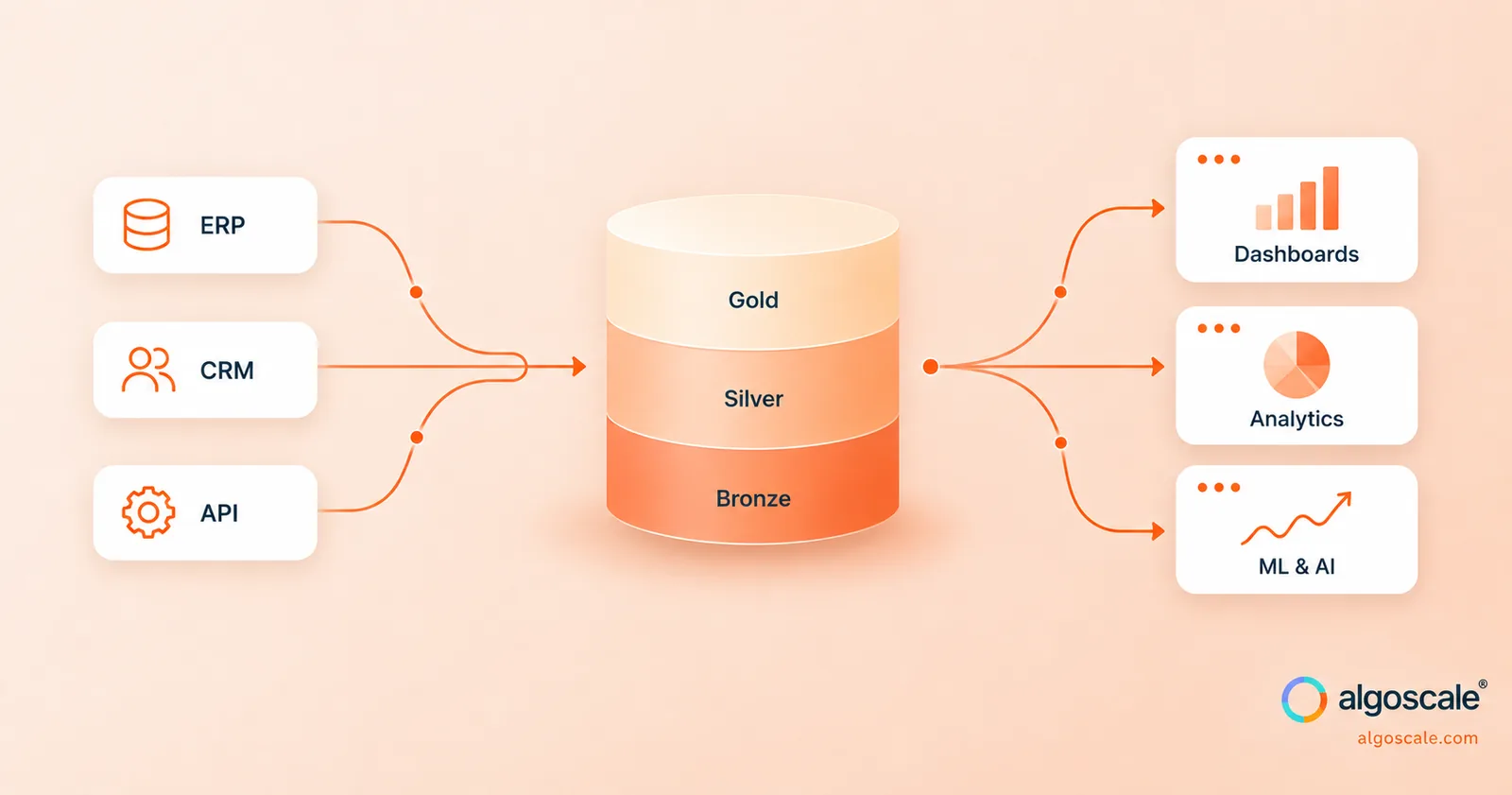


Data engineering in a nutshell, is designing, building, and maintaining systems that collect, store, transform, and deliver data for analysis and decision-making. It centers on data pipelines and automated workflows that ingest, transform, and load data from sources into analytics stores. Key components include ingestion, storage, processing, orchestration, and governance. Well-engineered data platforms ensure data is timely, reliable, and high-quality.
Key Components
- Data Ingestion: Collecting data from sources in batch or real time.
- Storage: Centralized repositories: data warehouses for structured analytics and data lakes for raw, varied data.
- Processing/Transformation: ETL/ELT jobs that clean, aggregate and reshape data into suable forms.
- Orchestration: Scheduling and coordinating pipeline tasks via Airflow DAGs to ensure ordered execution and retires.
- Metadata & Catalog: Schemas and data catalogs index datasets for discovery, governance, and lineage tracking.
Benefits
- Unified Analytics: Data engineering combines data from disparate sources into a single platform for BI, ML, and reporting.
- Decision Support: High quality, integrated data power faster, more accurate business insights.
- Scalability- Cloud-managed services like AWS Redshift, BigQuery and distributed engines like Spark, Presto allows elastic scaling of compute and storage.
- Automation & Reliability– Well-orchestrated pipelines will reduce manual work and ensure your data is delivered consistently.
Challenges in Data Engineering
Data engineering comes with several technical and operational challenges that can impact the reliability and effectiveness of data systems:
- Data Quality Issues: Ensuring data is accurate, consistent, and complete is always a major challenge. Poor-quality data can lead to incorrect insights and flaws in decision-making.
- Scalability Issues: As data volumes grow rapidly, systems must scale efficiently. Handling large-scale data processing without performance bottlenecks requires careful architecture and the right tools.
- Pipeline Reliability: Data pipelines can fail due to dependency issues, schema changes, or system errors. Ensuring fault tolerance, retires, and monitoring is critical for consistent data delivery.
- Data Integration Complexity: Combining data from multiple sources often involves handling different formats, structures, and latency requirements.
- Real-Time Processing Demands– Supporting low-latency, real-time data pipelines will require advanced infrastructure and sometimes careful optimization.
Data engineering is the strong foundation of modern data-driven organizations. By building robust, scalable, and reliable data systems, it enables businesses to discover more insights, better your decision making and improve advanced analytics and machine learning initiatives.